
Buying a home involves more than signing documents, transferring funds, and collecting the keys. Once the transaction is complete, the new owner becomes responsible for the property’s security. One of the most important steps is making sure that old keys can no longer be used to enter the home.
Even when a seller hands over several copies, there is no reliable way to confirm that every duplicate has been returned. Previous owners may have shared keys with relatives, cleaners, contractors, tenants, neighbours, or property managers. Rekeying the locks provides a simple way to restore control over who can access the property.
For a modern alternative to traditional locks, digital door locks perth can provide convenient keyless entry while giving new homeowners greater control over property access. For added peace of mind, homeowners can manage access more easily while reducing the need to distribute or replace physical keys.
Ontario agents routinely tell buyers to rekey every exterior lock on possession day, since there is no way to know how many copies are still circulating. Booking a locksmith in Vaughan for the same afternoon as the closing is common practice, and most handle the full set in one visit.
What Rekeying Actually Means
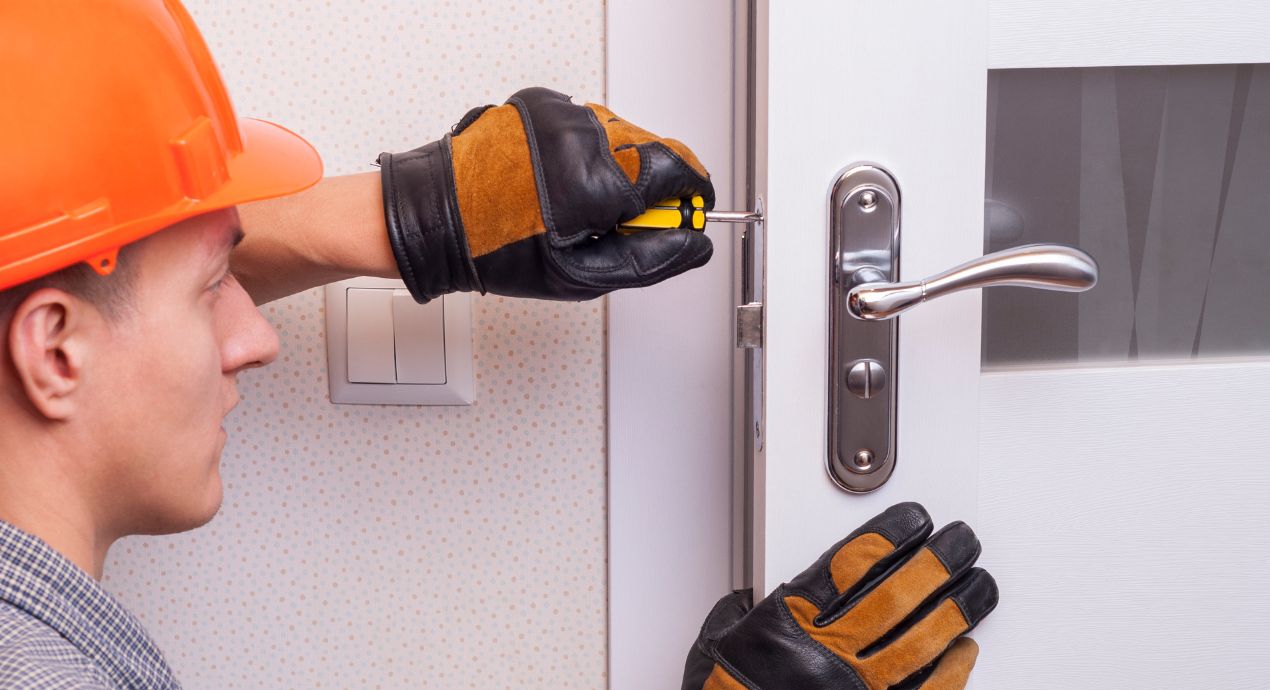
Rekeying changes the internal configuration of a lock so that the existing key no longer works. The locksmith removes the lock cylinder, adjusts or replaces the internal pins, and provides a new key that matches the updated configuration.
The lock hardware itself usually remains in place. This makes rekeying different from a full lock replacement, which involves removing the existing lock and installing a new one.
For homes with locks that are still in good condition, rekeying is often the more practical option. It improves security without requiring the homeowner to purchase an entirely new set of handles, deadbolts, and hardware.
Which Locks Should Be Rekeyed
Every exterior entry point should be reviewed on possession day. This includes the front door, back door, side entrance, garage access door, basement entrance, and any detached structures with keyed locks.
Homeowners should also check:
- Patio and garden doors
- Storage rooms
- Mailboxes
- Gates
- Garage side doors
- Exterior utility rooms
- Secondary suites
- Locked interior rooms
Some properties have several doors that use different keys. A locksmith may be able to configure compatible locks so they all work with one key, making daily access more convenient.
Rekeying Versus Replacing the Locks
Rekeying is usually appropriate when the existing locks operate smoothly and provide an acceptable level of security. Replacement may be a better choice when the hardware is damaged, outdated, loose, corroded, or difficult to operate.
New homeowners may also choose replacement when they want to upgrade to stronger deadbolts, electronic locks, keypad entry, or smart-home access systems.
A locksmith can inspect each door and explain which locks can be rekeyed and which ones should be replaced. This allows the homeowner to focus spending on hardware that genuinely needs improvement.
Why Possession Day Is the Best Time
Security changes are easiest to manage before boxes are unpacked and the household settles into a routine. Scheduling the service for possession day means the old keys stop working as soon as the new owner takes control of the property.
This is especially useful when contractors, movers, cleaners, or real estate professionals will be entering the home during the first few days. The homeowner can decide who receives a new key and keep track of how many copies are created.
Completing the work immediately also prevents the task from being postponed. Once moving begins, smaller security updates are often forgotten among furniture deliveries, utility appointments, and renovation projects.
Do Not Forget the Garage
Garage access is often overlooked during a move. In addition to rekeying the physical garage door and interior access door, homeowners should reset electronic garage door openers.
Old remotes may still be in circulation, and some vehicles can store garage access codes. Resetting the opener’s memory prevents previously paired remotes from operating the door.
Keypads should also receive a new code. Avoid choosing simple combinations such as an address, phone number, or easily guessed sequence.
Review Smart Locks and Alarm Codes
Properties with smart locks require a different type of access reset. The new owner should remove previous users, update administrator accounts, change passwords, and confirm that the system is connected to the correct email address and phone number.
Alarm systems, security cameras, video doorbells, and home automation platforms should receive the same attention. Devices may remain linked to the seller’s account even after possession changes.
A complete security reset should include:
- Removing former users
- Changing access codes
- Updating passwords
- Enabling two-factor authentication
- Resetting recovery information
- Checking remote-access permissions
These steps help ensure that only authorized people can view, unlock, or control the property.
Ask for the Right Number of Keys
Before the locksmith begins, the homeowner should decide how many keys are needed. Copies may be required for household members, trusted relatives, caregivers, or property managers.
It is better to create a small, documented number of copies than to distribute keys casually. Homeowners should keep a record of who has each key and request its return when access is no longer needed.
A spare should be stored securely, but not hidden under a mat, planter, or decorative object near the entrance.
Inspect Door Hardware at the Same Time
Rekeying appointments are also an opportunity to identify other security weaknesses. A strong lock will not provide much protection if the door frame is cracked, the strike plate is loose, or the screws are too short.
A locksmith may recommend reinforcing strike plates, tightening hinges, adjusting doors that do not close correctly, or installing stronger deadbolts. These relatively small improvements can make exterior doors more resistant to forced entry.
Start Homeownership With Clear Control
Receiving the keys is a symbolic part of buying a home, but those keys do not always provide exclusive access. Rekeying creates a clear security boundary between the previous ownership period and the new one.
By arranging the work for possession day, reviewing every exterior entrance, and resetting electronic access systems, buyers can move in with greater confidence. It is a straightforward step that helps ensure the home truly belongs only to the people who are supposed to enter it.

Leave a Reply
Want to join the discussion?Feel free to contribute!